Not More. Simply, Better.
Here's what's worth keeping this season,
and what isn't.
The month of April doesn't ask for a reset. It invites refinement.
A quiet shift happens this time of year: the light stretches further into the evening, the air feels softer, and everything begins to breathe a little more.
You notice your space and routines differently. Not in a critical way, but with a little more clarity.
What's working becomes obvious and what doesn't starts to feel… unnecessary.
Now, here's a look at what's working in the market.
Santa Clara County
The Market Accelerates
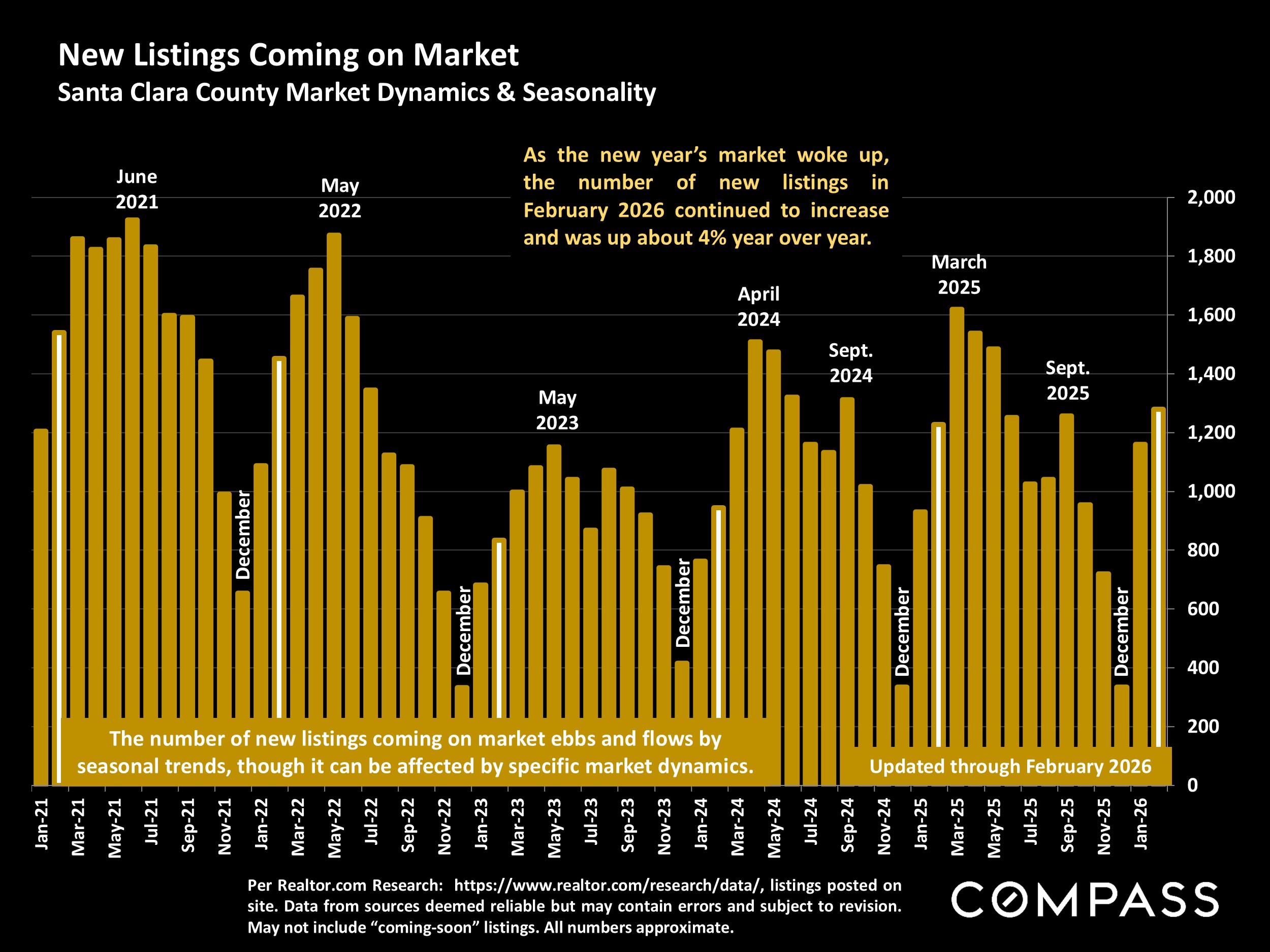
This spring, we're looking at a rapidly heating market characterized by increasing buyer competition, faster sales, and more overbidding of the asking price, rising buyer demand vs. an inadequate supply of homes for sale.
The 3-month-rolling median house sales price in February 2026, $1,870,000, ticked up slightly year over year (.5%). The median sales price usually peaks in spring.
As was the case last year, houses are seeing stronger market conditions than condos and townhouses, and more affluent buyers continue to play an outsized role in demand and home-price appreciation. $5 million+ home sales hit their highest month-of-February count ever.
SAN FRANCISCO County
SF Market Only Gets More Heated
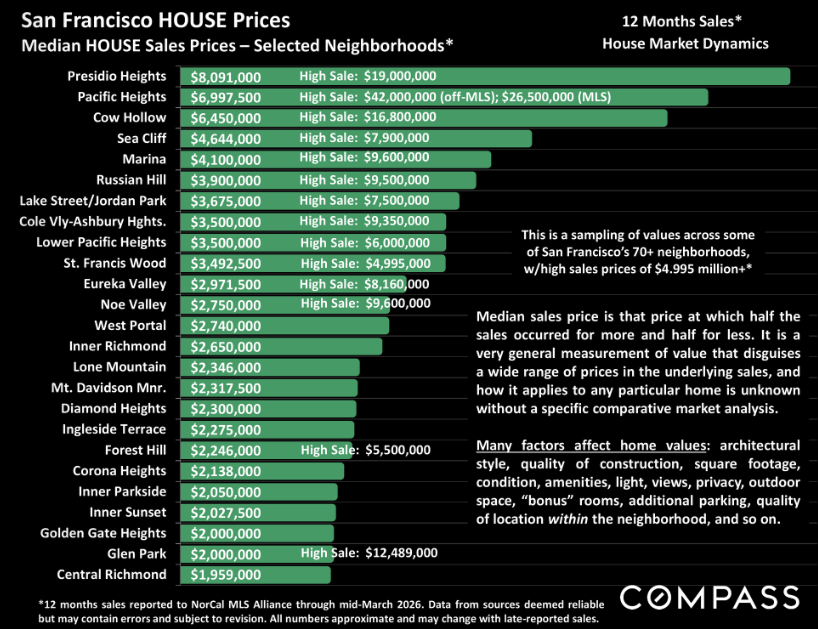
The median house sales price in March 2026 hit $2,150,000, up 18 percent year-over-year, exceeding the previous peak of $2,050,000 in April 2022. Median condo sales prices also increased, up 27% year-over-year.
Twenty-two luxury home sales of $5 million+ were reported in March 2026, up 83% YoY, surpassing the previous peak of 21 sales in June of 2021.
Luxury condo sales saw a similar spike, with 24 reported sales, up 380% YoY, exceeding its previous high of 17 total sales in August 2021.
Despite these sales numbers, the number of homes listed fell 28% year over year. The inadequate supply of listings — especially of houses — compared to soaring demand continues to pressurize the market as buyers compete for scarce listings.
What Actually Matters in A Home?
As I continue to show more and more homes, I notice the homes that stay with me are rarely the ones with the most to show. They're the ones that feel composed. Uncluttered. Where nothing competes for attention, and everything has been carefully considered.
In a new home being prepped for market, I notice the way the light moves first — how it lands in the kitchen in the morning, how it softens the living space by late afternoon. How does it complement the layout? There's an ease to how one room leads to the next; how indoor and outdoor spaces complement each other.
Then there's that feeling you can't quite name right away: privacy, without feeling isolated. A sense that the home shelters you, without closing you in.
It's not a feeling that arrives with more space, but with a more intentional space.
The Way A Space Comes Together
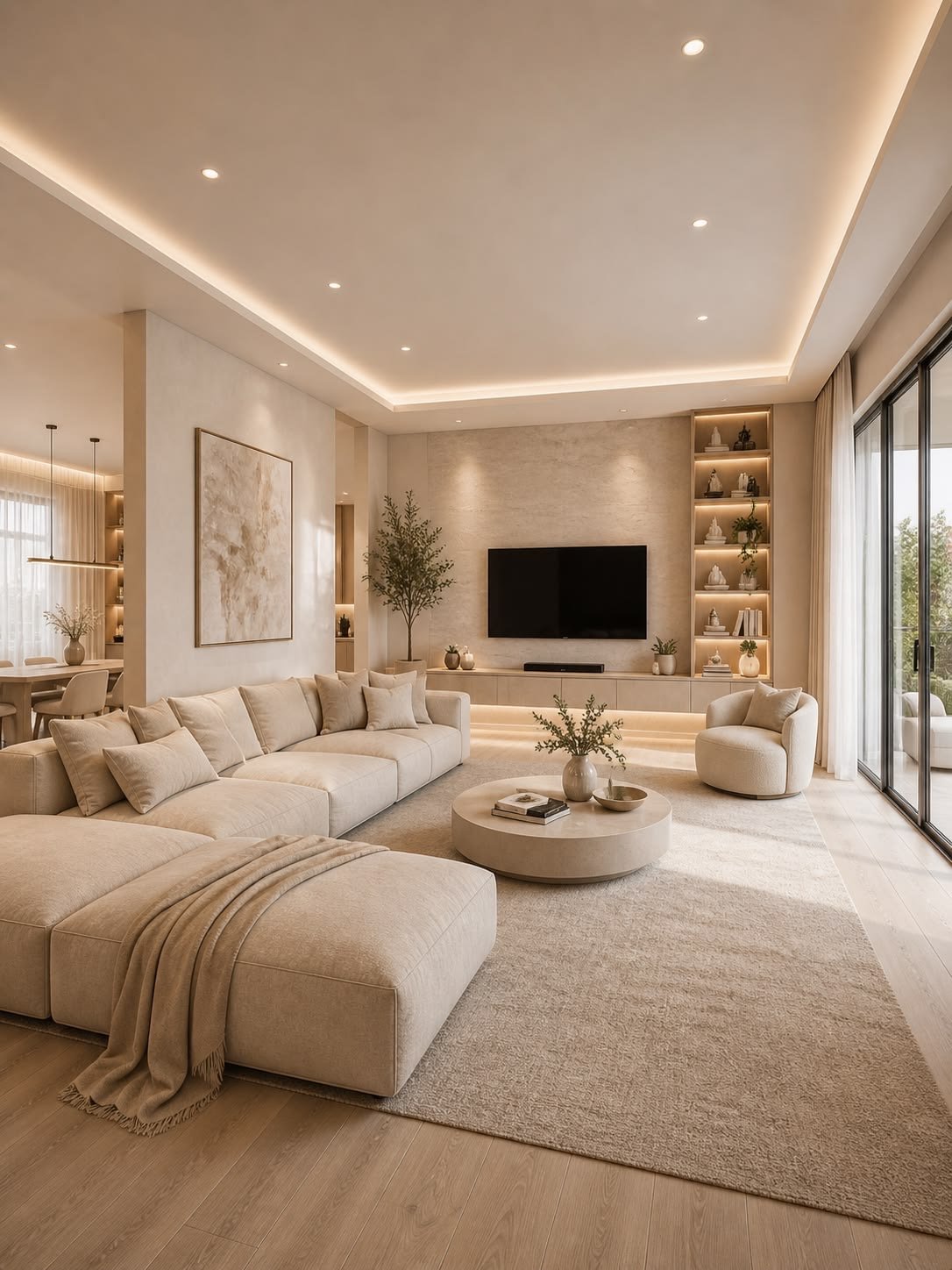
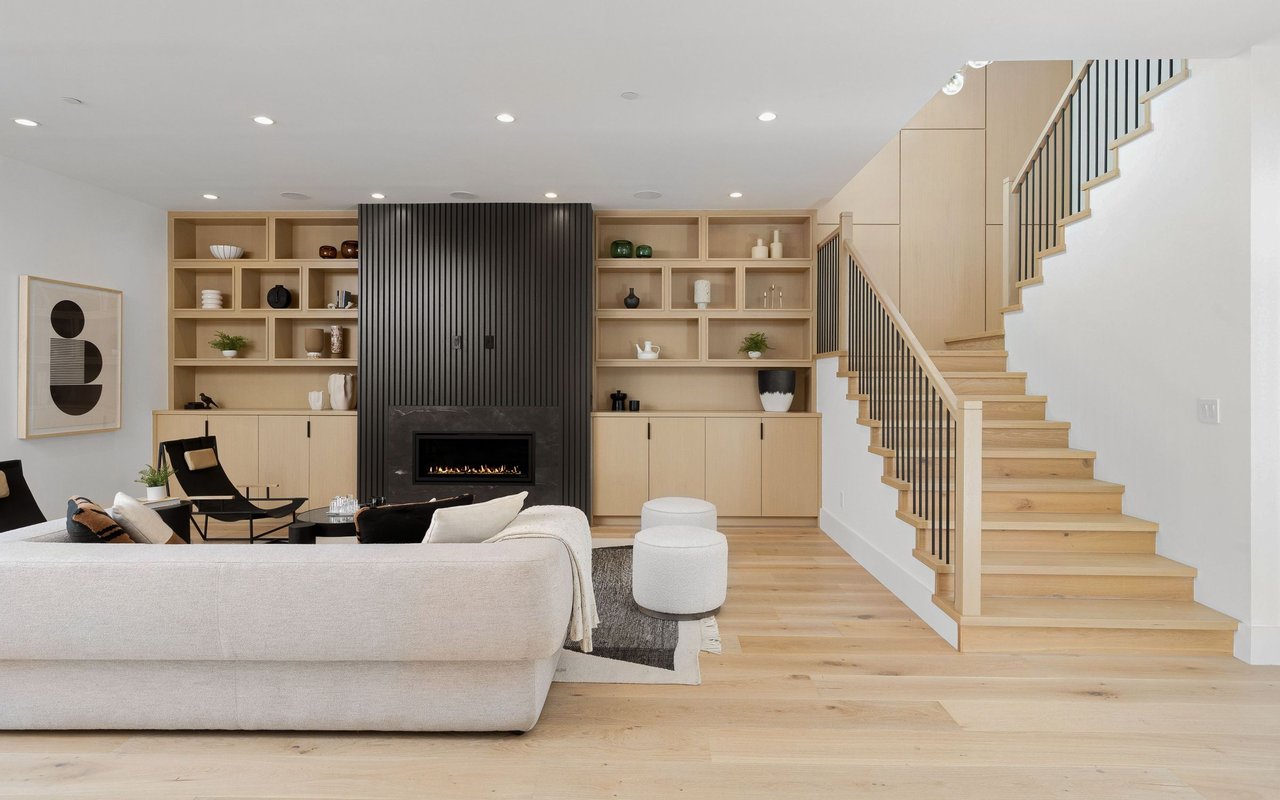
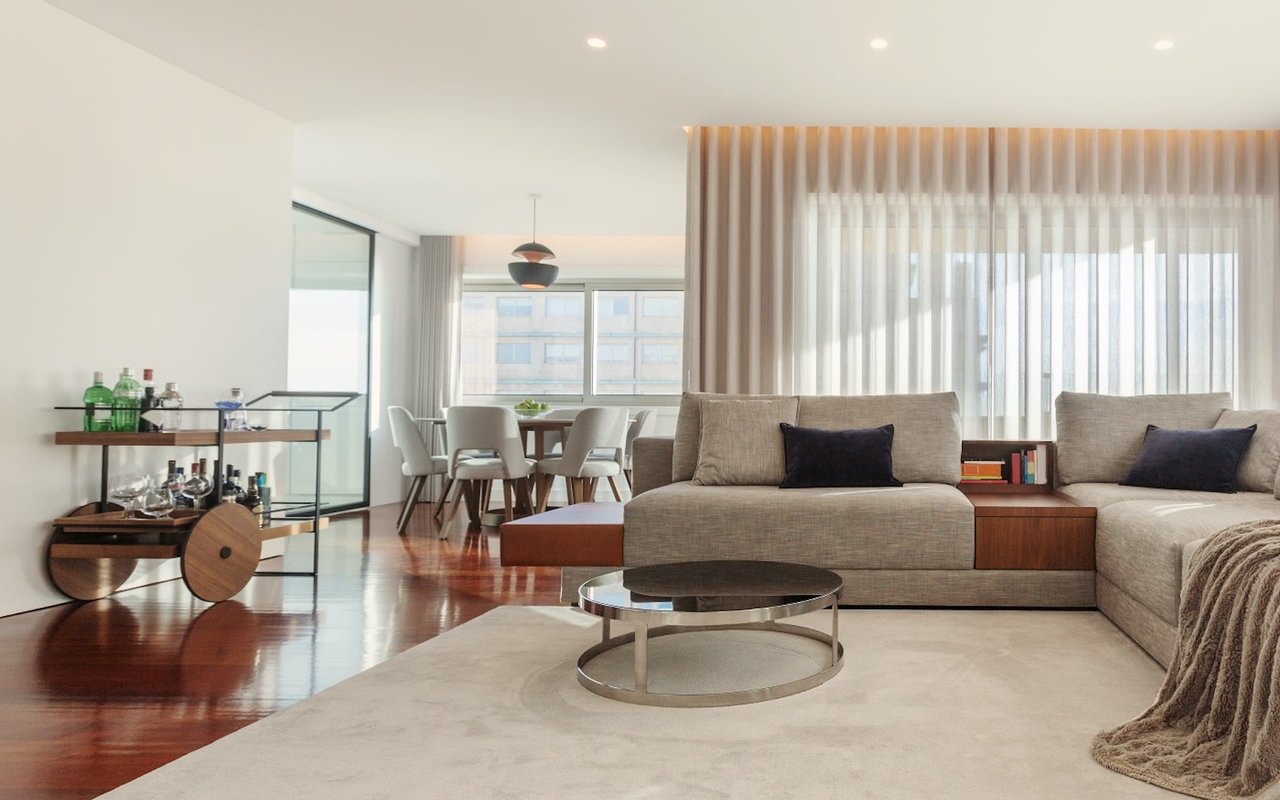
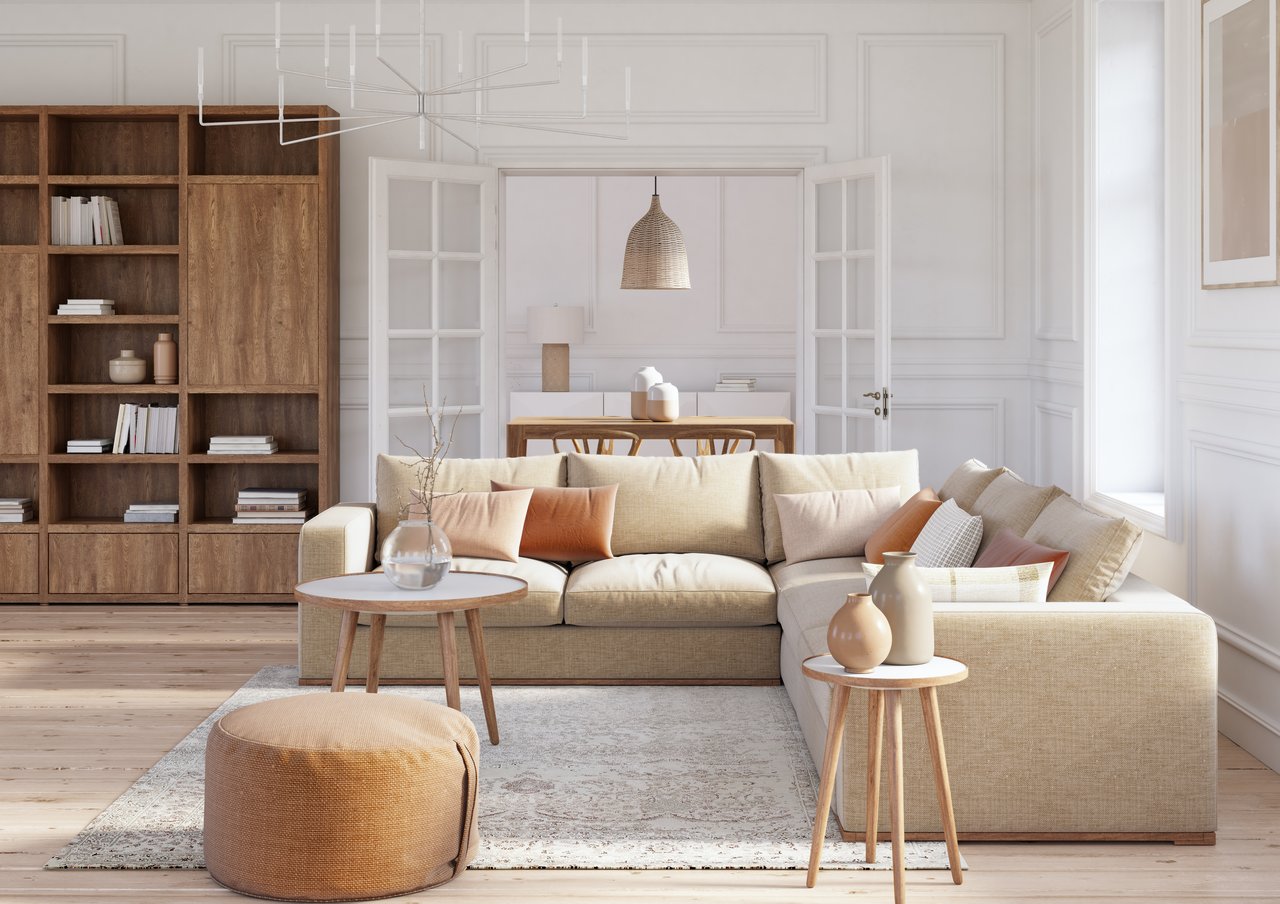
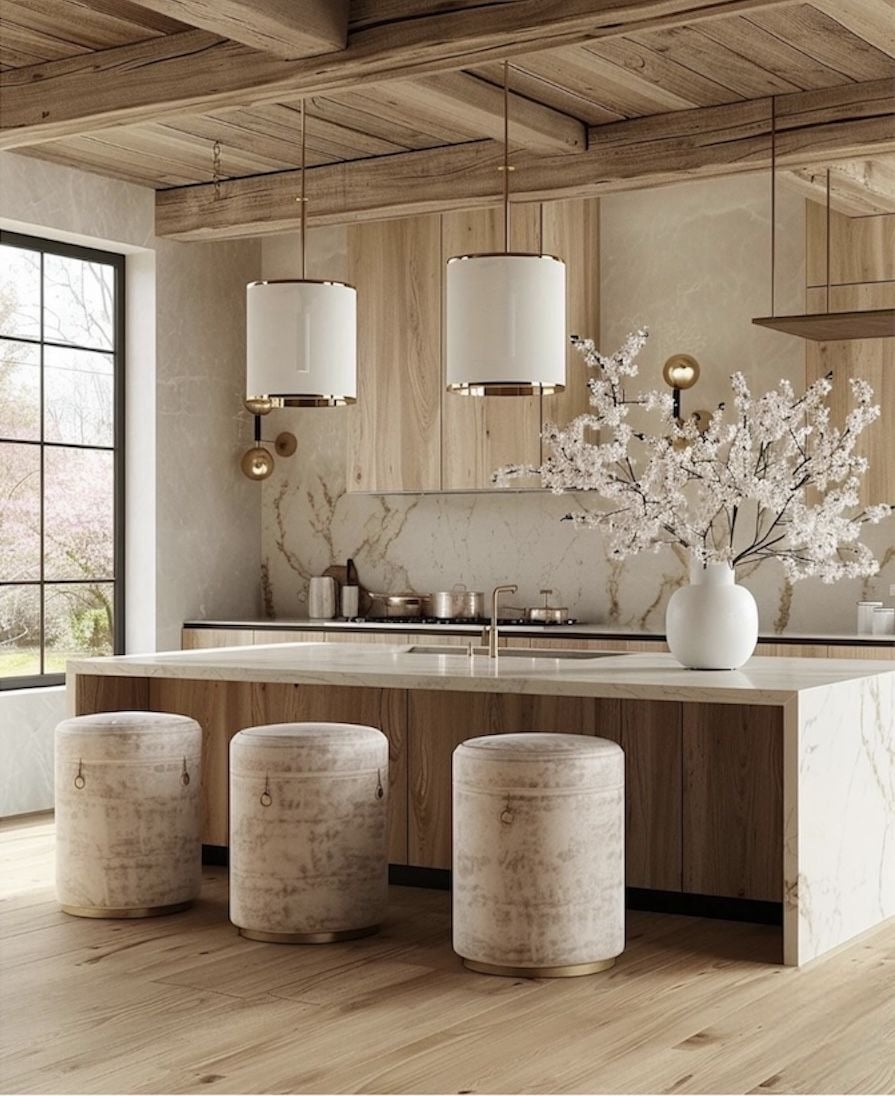
Those same principles carry through in design. A well-composed room isn't filled. It's edited. Not sparse, but intentional.
Realize it's never about how much is in the room, it's about what earns its place.
A sofa that grounds everything without overpowering it. Lighting that softens the edges of the day. Materials that feel pleasant to the touch — linen, wood, and stone — all bring quiet depth without needing attention. And something with presence. A piece of art, or a single object that holds the room in a specific way.
There's an element of luxury in restraint, and that restraint is what makes it feel elevated.
Materials that feel pleasant to the touch, linen, wood, and stone, all bring quiet depth without needing attention. And something with presence. A piece of art, or a single object that holds the room in a specific way.
There's an element of luxury in restraint, and that restraint is what makes it feel elevated.
This month, I'd like to show how some of that Spring clarity can show up in how you move, too.
We all reach a point where doing more stops being the goal. What matters is doing the things we want and need to do. Consistently and well.
In my years as a fitness instructor and coach, I always tell my clients, "You don't need an endless rotation of workouts. A small, well-chosen foundation is enough."
A squat, to build strength where everything begins.
A hinge, to support how you move through daily life.
A push, to create balance and control.
A pull, to steady and strengthen the upper body.
A core movement, to hold it all together.
Nothing complicated. Nothing excessive.
Just five movements, repeated over time. Burpees are a great example of light exercise that is simple but effective. One way to show how to become strong in a way that feels steady, instead of rushed.
And then, the part that often matters most: walking. Not as an afterthought, but as something built into the day. Uninterrupted, unhurried. A way to clear your mind as much as to move your body.
It's a quieter approach. But it holds.